
Non-binary Identities: Visibility, Recognition, and Rights
Addressing the issues surrounding non-binary recognition in legal, medical, and social contexts.

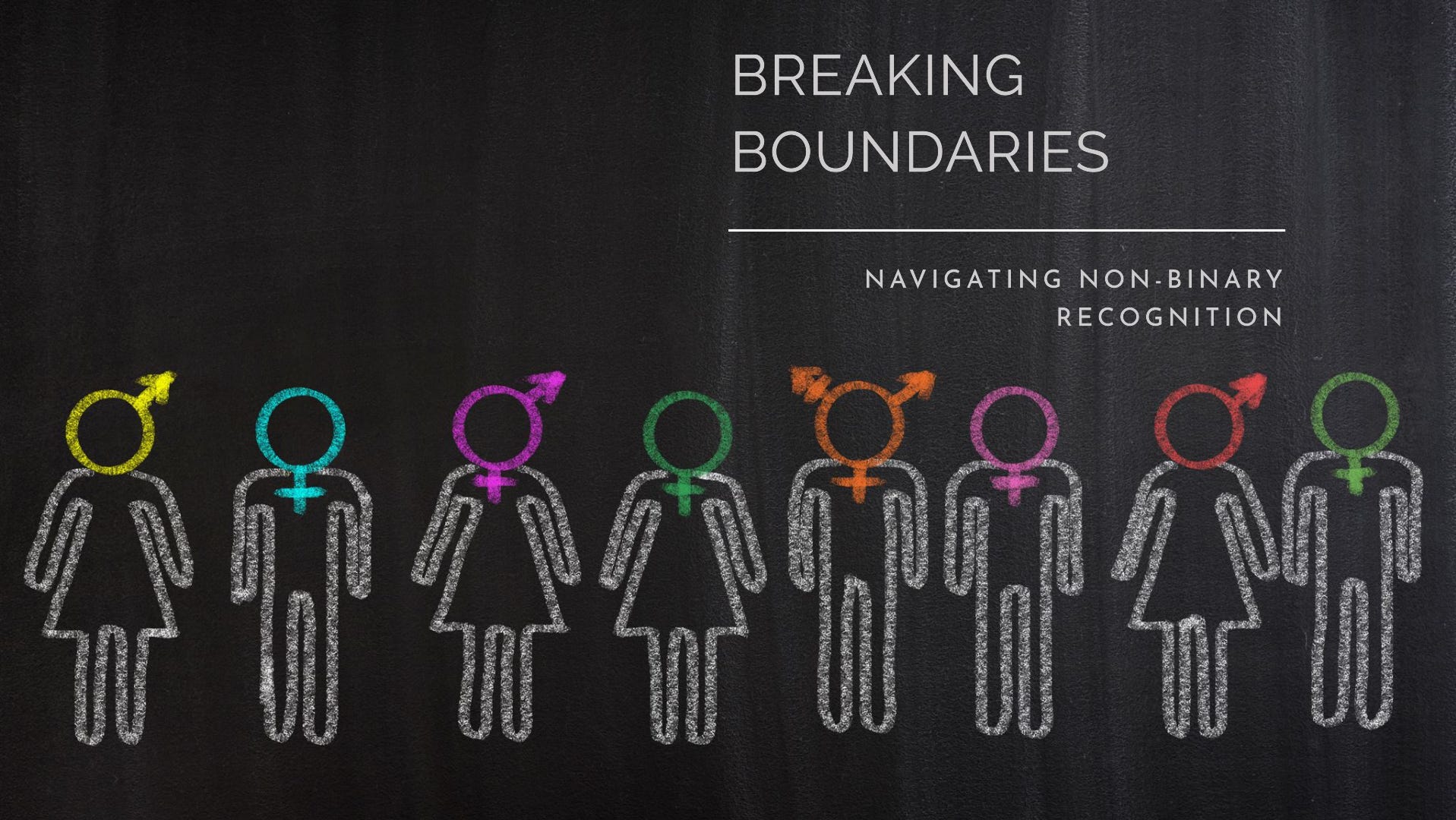
In a world where identity is often seen through a binary lens, non-binary individuals face unique challenges in gaining visibility, recognition, and rights. Let's delve into these issues and explore avenues for progress.
The Binary Bias: From legal documents to medical forms, society has long operated within a binary framework, categorizing individuals strictly as male or female. This binary bias excludes those whose identities fall outside these narrow confines, leaving non-binary individuals feeling marginalized and invalidated.
Legal Hurdles: One of the most pressing issues non-binary individuals face is the lack of legal recognition. Many countries still do not offer a third gender option on official documents, forcing non-binary individuals to choose between inaccurate labels or forgo legal recognition altogether. This not only denies them autonomy over their identity but also poses practical challenges in areas such as healthcare, education, and employment.
Medical Misunderstandings: Within the medical field, the binary model often leads to misunderstandings and inadequate care for non-binary individuals. From hormone therapies to surgical procedures, healthcare providers may lack understanding or guidelines for addressing the unique needs of non-binary patients. This not only impacts their physical health but also contributes to feelings of alienation and mistrust within the healthcare system.
Social Stigma: Beyond legal and medical realms, non-binary individuals face social stigma and discrimination on a daily basis. Misgendering, invalidation of identities, and outright hostility are all too common experiences. This societal prejudice not only erodes self-esteem but also restricts opportunities for non-binary individuals to fully participate in public life.
Advocating for Change: Despite these challenges, progress is underway. Advocacy groups, grassroots movements, and legal initiatives are working to challenge the binary paradigm and advocate for the rights of non-binary individuals. Through education, awareness campaigns, and policy reform, strides are being made toward greater recognition and inclusion.
Conclusion: As we navigate the complexities of identity in a binary world, it's crucial to recognize and validate the experiences of non-binary individuals. By challenging outdated norms, advocating for legal reforms, and fostering a culture of inclusivity, we can create a world where everyone's identity is respected and celebrated.
Sources:
Flores, A. R., Herman, J. L., Gates, G. J., & Brown, T. N. T. (2016). How Many Adults Identify as Transgender in the United States? The Williams Institute.
Winter, S., Diamond, M., Green, J., Karasic, D., Reed, T., Whittle, S., & Wylie, K. (2016). Transgender people: health at the margins of society. The Lancet, 388(10042), 390-400.
Bowleg, L. (2013). "Once you've blended the cake, you can't take the parts back to the main ingredients": Black gay and bisexual men's descriptions and experiences of intersectionality. Sex Roles, 68(11-12), 754-767.
Kosenko, K., Rintamaki, L., Raney, S., & Maness, K. (2013). Transgender patient perceptions of stigma in health care contexts. Medical care, 51(9), 819-822.
McNeil, J., Bailey, L., Ellis, S., & Regan, M. (2012). Trans Mental Health Study 2012. Scottish Transgender Alliance.
Richards, C., Bouman, W. P., Seal, L., Barker, M. J., Nieder, T. O., & T'Sjoen, G. (2016). Non-binary or genderqueer genders. International Review of Psychiatry, 28(1), 95-102.
Shipherd, J. C., Green, K. E., & Abramovitz, S. (2010). Transgender clients: Identifying and minimizing barriers to mental health treatment. Journal of Gay & Lesbian Mental Health, 14(2), 94-108.